I am not going to interview five people. Part of this reason is because a portion of my goal for the restaurant would be to feed the homless, and they are less-accessible for interviews.
WHO? Yes, there are people that have similar needs but fall outside the boundary of what the restaurant can do. Although I want it to be able to feed the homeless and needy as well as others in the community, sometimes people that live on the street can be unstable and not necessarily safe. If I encountered that with my endeavor, I would like to have a program to be able to refer them to for help. But obviously, if they were dangerous or extremely disruptive we could not serve them.
WHAT? How does the need of the hypothetical person I identified differ? My goal for the restaurant is to nourish people and bring them closer to other people, but the need of the person I identified is that they need help with their mental state and their ability to function properly.
WHY? The need is different because unfortunately many homeless people have serious psychiatric disorders that need to be addressed before they can safely be integrated in with people.
INSIDE THE BOUNDARY OUTSIDE THE BOUNDARY
majority of people(homeless and non) potentially violent/unwell patrons
food/connection is not food/connection, it's addressing underlying issue
everybody wants friends and food we live in a broken world that involves suffering
Friday, January 25, 2019

7A TESTING THE HYPOTHESIS
1) I would like to pursue creating a community-oriented restaurant.
2) My idea is for a restaurant that takes a portion of every sale it makes and puts it into a fund that will be used to host free community meals periodically that is open to any and everyone. My reasoning for this is today's world is fast-paced and fragmented. As a result, many people miss the opportunity to connect over a meal, especially those in need.
THE WHO? Anyone in the community that wants to connect with their peers over a meal, especially the needy.
THE WHAT? Too many people forego spending quality time with one another over meals.
THE WHY? Many people are in a rush and don't like to get out of their comfort zones, and some people do not even have access to fresh food.
3) TESTING THE HYPOTHESIS: I believe that everyone, especially in the United States, has this need, but the boundaries are not limited to the US. Human connection is a need that every person on Earth craves, and food safety is a global issue. Everybody needs food. People miss out on the opportunity to bond over a meal for different reasons, as mentioned. Some people do not want or "can't" take the time out of their busy lives, some people have a hard time in social settings, and some people simply don't have adequate access to food
4) INTERVIEWS
1) Nick Simpson agrees that people need food, but he feels that opening up an organization to put on free meals that will attract all types of people is inviting danger because it's impossible to predict what people will do.
2)Lisa Turbeville thinks it's a good idea but questions the safety as well.
3) Antony Turbeville thinks it's a cool idea.
4) My friend Christian who used to be homeless would surely like it. He benefits from free things like that.
5) Bennet Hill thinks I should do something different with my life.
REFLECTION
I like to have people's approval about my life decisions, so wanting to pursue something that is divisive will be interesting for me to navigate.
2) My idea is for a restaurant that takes a portion of every sale it makes and puts it into a fund that will be used to host free community meals periodically that is open to any and everyone. My reasoning for this is today's world is fast-paced and fragmented. As a result, many people miss the opportunity to connect over a meal, especially those in need.
THE WHO? Anyone in the community that wants to connect with their peers over a meal, especially the needy.
THE WHAT? Too many people forego spending quality time with one another over meals.
THE WHY? Many people are in a rush and don't like to get out of their comfort zones, and some people do not even have access to fresh food.
3) TESTING THE HYPOTHESIS: I believe that everyone, especially in the United States, has this need, but the boundaries are not limited to the US. Human connection is a need that every person on Earth craves, and food safety is a global issue. Everybody needs food. People miss out on the opportunity to bond over a meal for different reasons, as mentioned. Some people do not want or "can't" take the time out of their busy lives, some people have a hard time in social settings, and some people simply don't have adequate access to food
4) INTERVIEWS
1) Nick Simpson agrees that people need food, but he feels that opening up an organization to put on free meals that will attract all types of people is inviting danger because it's impossible to predict what people will do.
2)Lisa Turbeville thinks it's a good idea but questions the safety as well.
3) Antony Turbeville thinks it's a cool idea.
4) My friend Christian who used to be homeless would surely like it. He benefits from free things like that.
5) Bennet Hill thinks I should do something different with my life.
REFLECTION
I like to have people's approval about my life decisions, so wanting to pursue something that is divisive will be interesting for me to navigate.
Friday, January 18, 2019
24A VENTURE CONCEPT No. 1 Fellow's Community Kitchen
THE OPPORTUNITY: Everyone on planet Earth needs to eat. It has always been that way, and it always will be. People on Earth need to feel valued, loved, and connected to those around them. It has always been that way and always will be. Sitting down for a shared meal used to be a non-negotiable that satisfied both of these needs in countless households across the world, and in many parts it still is. But in the Western World, changing family dynamics, parental roles, and work schedules have changed this practice in a drastic way. While this problem of a lack of unified mealtime is probably more common in the West, it is surely still a global issue, which also means it is a global opportunity. The second component of this problem/opportunity is not simply the time/effort required to organize a meal, but the fact that many people cannot afford nutritious food, or sometimes food at all.
THE INNOVATION: My "innovation" is not really innovative at all. In fact, my idea hinges on getting back to the basics. My hope is to develop a business plan/strategy that will allow me to create a community-based restaurant that is financially stable, and hopefully can be replicated in many different places. The way in which it will be "community-oriented" is this: a portion of every sale will go toward a fund used to host completely free, community-wide meals periodically. These meals will be open to anyone and everyone, ranging from the community's premier socialites to the person on the corner of the street asking for money. It will make money the same way any restaurant does-by selling food. Although profits will be less with each sale, I believe there are ways to work around that.
THE VENTURE CONCEPT: My hope is that people in the community will be able to see the merit behind this idea, and as a result, be willing to step outside of their comfort zones and meet new, most-likely different people at these meals. I believe that many of the social, political, and economic issues we face as a society today stem from a lack of understanding of and empathy for our peers. I believe that these meals, while providing food for the community-especially for those who need it, will also present the opportunity for people to begin to understand the other side of the argument. What I mean is that I hope that by meeting others in a community, people will begin to be able to put a name or a face on an issue, thereby humanizing it. At the end of the day, people may still disagree, but if it can be done so amicably instead of viewing the other person or party as the enemy, then I feel that it will due to a world of good starting from the ground up! I also hope that people will take the opportunity to reach out to those that society usually brushes off. The poor and destitute are no less people than anyone else, and the isolation some of them must feel is unimaginable. I hope that these meals would be a place for them to meet people and feel valued and loved. This may be a (hopefully) heartwarming idea, but it is still a business that needs to turn a profit and take care of its employees. Taking care of the employees and those involved is non-negotiable, but I suppose turning a profit is not. It is possible the company could apply for non-profit status, in addition to receiving support from local churches, outreaches, etc. This concept is apolitical and seems like something everyone should be on board with. Pairing with local food growers would hopefully keep costs down as well.
MOST IMPORTANT RESOURCE? The belief in the mission by the community will be far and away the biggest resource this venture will have.
WHAT"S NEXT? Figuring out how to replicate this model anywhere and everywhere. The world's issues, if they can ever be solved, will not be solved from the top down. No amount of legislation from governments will solve issues endemic to the human condition. That will come from a concerted effort by everyone in any given community to make true, deep connections with those around them. Only then can issues begin to be made right, and if this idea would go a small way toward helping, it would be my honor.
WHAT'S NEXT FOR ME? Cooking up food at the OG location and spending time with my (hypothetical" wife and kids!
THE INNOVATION: My "innovation" is not really innovative at all. In fact, my idea hinges on getting back to the basics. My hope is to develop a business plan/strategy that will allow me to create a community-based restaurant that is financially stable, and hopefully can be replicated in many different places. The way in which it will be "community-oriented" is this: a portion of every sale will go toward a fund used to host completely free, community-wide meals periodically. These meals will be open to anyone and everyone, ranging from the community's premier socialites to the person on the corner of the street asking for money. It will make money the same way any restaurant does-by selling food. Although profits will be less with each sale, I believe there are ways to work around that.
THE VENTURE CONCEPT: My hope is that people in the community will be able to see the merit behind this idea, and as a result, be willing to step outside of their comfort zones and meet new, most-likely different people at these meals. I believe that many of the social, political, and economic issues we face as a society today stem from a lack of understanding of and empathy for our peers. I believe that these meals, while providing food for the community-especially for those who need it, will also present the opportunity for people to begin to understand the other side of the argument. What I mean is that I hope that by meeting others in a community, people will begin to be able to put a name or a face on an issue, thereby humanizing it. At the end of the day, people may still disagree, but if it can be done so amicably instead of viewing the other person or party as the enemy, then I feel that it will due to a world of good starting from the ground up! I also hope that people will take the opportunity to reach out to those that society usually brushes off. The poor and destitute are no less people than anyone else, and the isolation some of them must feel is unimaginable. I hope that these meals would be a place for them to meet people and feel valued and loved. This may be a (hopefully) heartwarming idea, but it is still a business that needs to turn a profit and take care of its employees. Taking care of the employees and those involved is non-negotiable, but I suppose turning a profit is not. It is possible the company could apply for non-profit status, in addition to receiving support from local churches, outreaches, etc. This concept is apolitical and seems like something everyone should be on board with. Pairing with local food growers would hopefully keep costs down as well.
MOST IMPORTANT RESOURCE? The belief in the mission by the community will be far and away the biggest resource this venture will have.
WHAT"S NEXT? Figuring out how to replicate this model anywhere and everywhere. The world's issues, if they can ever be solved, will not be solved from the top down. No amount of legislation from governments will solve issues endemic to the human condition. That will come from a concerted effort by everyone in any given community to make true, deep connections with those around them. Only then can issues begin to be made right, and if this idea would go a small way toward helping, it would be my honor.
WHAT'S NEXT FOR ME? Cooking up food at the OG location and spending time with my (hypothetical" wife and kids!
Friday, January 11, 2019
23A My Venture's unfair advantage
List of resources
1) Servant culture
VRIN-It is valuable because we live in an age of entitlement and self-service. Taking the opportunity to serve, and truly enjoying it, is a pure expression of love for those being served. It's rare because in the moment it seems better to receive than to give, and people follow this path as a result. Contrary to many business ideas, I would encourage other people/companies to follow suit. I would say the idea is not inimitable, and that's A-ok.
2) Financial capital
VRIN-Money is valuable, and no business can flourish without it. I would not see my business idea being a way of getting rich. While it would hopefully provide a living, but no one in the company will be driving Bentley's. In that sense, money may be rare! Again, this aspect is not inimitable and not non-substitutable.
3) Gov't subsidies
VRIN-Gov't subsidies would be valuable because due to the nature of my idea, and mission, it would not be super profitable on its own. It would be very helpful to possibly attain Non-Profit status. I don't really know how "rare" it would be. It would me semi-unimitable/ non-substitutable, but churches and other similar organizations could theoretically provide support.
4) Community support
VRIN-It would be immensely valuable to have the backing of the community. Having their support would mean loyal customers, as well as understanding and support for the cause. I think it's pretty rare. Most businesses, especially restaurants, have support from the community in so far as they continue to enjoy the product, but having support for the mission is pretty rare. It's not necessarily imitable or non-substitutable, but it's not super common.
5) Permanent need (food)
VRIN-This is valuable because it means continued business. This is not rare. It is inimitable in the sense that nothing is going to replace food.
6) Human capital/engagement of those involved
VRIN-this is both valuable and rare in the work environment because many people go to work for the paycheck alone and feel no connection to the work. This does not make for efficiency or innovation. The value of having engaged employees is inimitable and non-substitutable.
7) Trusting atmosphere amongst employees
VRIN-this is valuable because it builds an atmosphere of trust and community, so people at the company have each other's backs. it's rare, inimitable and non-substitutable in a similar way to engagement of those involved.
8) Sense of greater purpose for everyone involved
VRIN-It's valuable because when there is a greater sense of purpose, people are willing to go the extra distance that they would not normally be willing to go. This is obviously rare, but inimitable and non-substitutable for an idea such as this.
9) Social capital
VRIN-It's valuable to have personable people involved in your company to spread the word. Everyone "networks" these days so it's not rare, but it is hard to replace good PR.
10) Encouragement of competition
VRIN-Whereas many companies want to be the only ones in the market, I feel that if my idea caught on and competitors popped up, it would benefit every community in which such an establishment was. More competition would essentially mean more service, kindness, and community, which unfortunately are pretty rare these days, but certainly inimitable and, in the long run, non-substitutable,
1) Servant culture
VRIN-It is valuable because we live in an age of entitlement and self-service. Taking the opportunity to serve, and truly enjoying it, is a pure expression of love for those being served. It's rare because in the moment it seems better to receive than to give, and people follow this path as a result. Contrary to many business ideas, I would encourage other people/companies to follow suit. I would say the idea is not inimitable, and that's A-ok.
2) Financial capital
VRIN-Money is valuable, and no business can flourish without it. I would not see my business idea being a way of getting rich. While it would hopefully provide a living, but no one in the company will be driving Bentley's. In that sense, money may be rare! Again, this aspect is not inimitable and not non-substitutable.
3) Gov't subsidies
VRIN-Gov't subsidies would be valuable because due to the nature of my idea, and mission, it would not be super profitable on its own. It would be very helpful to possibly attain Non-Profit status. I don't really know how "rare" it would be. It would me semi-unimitable/ non-substitutable, but churches and other similar organizations could theoretically provide support.
4) Community support
VRIN-It would be immensely valuable to have the backing of the community. Having their support would mean loyal customers, as well as understanding and support for the cause. I think it's pretty rare. Most businesses, especially restaurants, have support from the community in so far as they continue to enjoy the product, but having support for the mission is pretty rare. It's not necessarily imitable or non-substitutable, but it's not super common.
5) Permanent need (food)
VRIN-This is valuable because it means continued business. This is not rare. It is inimitable in the sense that nothing is going to replace food.
6) Human capital/engagement of those involved
VRIN-this is both valuable and rare in the work environment because many people go to work for the paycheck alone and feel no connection to the work. This does not make for efficiency or innovation. The value of having engaged employees is inimitable and non-substitutable.
7) Trusting atmosphere amongst employees
VRIN-this is valuable because it builds an atmosphere of trust and community, so people at the company have each other's backs. it's rare, inimitable and non-substitutable in a similar way to engagement of those involved.
8) Sense of greater purpose for everyone involved
VRIN-It's valuable because when there is a greater sense of purpose, people are willing to go the extra distance that they would not normally be willing to go. This is obviously rare, but inimitable and non-substitutable for an idea such as this.
9) Social capital
VRIN-It's valuable to have personable people involved in your company to spread the word. Everyone "networks" these days so it's not rare, but it is hard to replace good PR.
10) Encouragement of competition
VRIN-Whereas many companies want to be the only ones in the market, I feel that if my idea caught on and competitors popped up, it would benefit every community in which such an establishment was. More competition would essentially mean more service, kindness, and community, which unfortunately are pretty rare these days, but certainly inimitable and, in the long run, non-substitutable,
21A READING REFLECTION NO. 2
The book I chose was Cognitive Surplus, by Clay Shirky.
1) Theme of the book? The book deals heavily with the idea of using free time constructively. Shirky uses the gin craze as an example to highlight how society can use free time destructively (gin) and as a result degrade little by little, or constructively. he draws the parallel between gin back then and the modern sitcom today. I believe that his point is that with modern technology we have plenty of avenues to distract ourselves from doing anything beneficial. However, there is a plus side. Presumably, there has never been a society that has so much free time (cognitive surplus). Shirky's assertion is that people now have the opportunity to organize on massive scales and put their free time to real, productive uses that will help solve today's most pressing issues.
2) How did the book connect with and enhance my understanding of ENT3003? The book advocates for people to take their creative endeavors to a large scale through online, technological mediums. ENT3003 is all about getting your self out there, putting your best foot forward, and taking risks to achieve what you feel you are here to do. This seems to closely align with the message of the book.
3) If I had to design an exercise for this class based on the book, it would require each student to find a concept/mission/organization that resonates with them. From there, the would be responsible for spreading their concept through any online platfrom they choose (message boards, blogs, social media etc.) to find like-minded people. From there, the would be responsible for communicating efficiently and respectfully with their peers to organize support for their cause. I realize that it could pose some issues because while for each student it would simply be an exercise, the people they found online would believe it to be real.
4) What surprised me the most? I think I expected the book to be a total indictment on modern technology, especially social media. I expected the author to claim that these technologies were adversely affecting our ability to focus, cooperate, and be happy with one another. However, he seems to advocate for the responsible, constructive use of these technologies to build a better tomorrow.
1) Theme of the book? The book deals heavily with the idea of using free time constructively. Shirky uses the gin craze as an example to highlight how society can use free time destructively (gin) and as a result degrade little by little, or constructively. he draws the parallel between gin back then and the modern sitcom today. I believe that his point is that with modern technology we have plenty of avenues to distract ourselves from doing anything beneficial. However, there is a plus side. Presumably, there has never been a society that has so much free time (cognitive surplus). Shirky's assertion is that people now have the opportunity to organize on massive scales and put their free time to real, productive uses that will help solve today's most pressing issues.
2) How did the book connect with and enhance my understanding of ENT3003? The book advocates for people to take their creative endeavors to a large scale through online, technological mediums. ENT3003 is all about getting your self out there, putting your best foot forward, and taking risks to achieve what you feel you are here to do. This seems to closely align with the message of the book.
3) If I had to design an exercise for this class based on the book, it would require each student to find a concept/mission/organization that resonates with them. From there, the would be responsible for spreading their concept through any online platfrom they choose (message boards, blogs, social media etc.) to find like-minded people. From there, the would be responsible for communicating efficiently and respectfully with their peers to organize support for their cause. I realize that it could pose some issues because while for each student it would simply be an exercise, the people they found online would believe it to be real.
4) What surprised me the most? I think I expected the book to be a total indictment on modern technology, especially social media. I expected the author to claim that these technologies were adversely affecting our ability to focus, cooperate, and be happy with one another. However, he seems to advocate for the responsible, constructive use of these technologies to build a better tomorrow.
Thursday, January 10, 2019
8A SOLVING THE PROBLEM
My goal/idea is to have a community-oriented restaurant that will take a portion of every sale and save it in a fund that will be used to put on free community meals periodically. A potential problem is turning enough profit to make a living, pay employees well, and still put on free meals. My hope is that customers would be on board with the mission enough to pay a slight premium in support of the cause. If the restaurant were registered as a non-profit organization, it may be eligible for government subsidies, as well as (hopefully) periodic donations from churches/ministries in the area. Additionally, using seasonal ingredients will help keep the cost down for the community meals.
18A CREATE A CUSTOMER AVATAR
CUSTOMER 1
Customer 1 hates shallow conversation and would prefer to jump right into an involved conversation. Not in an obnoxious, networky way, but in a genuinely caring and interested fashion. He/she could be any age at all. Maybe this customer has a blue Subaru, or maybe he or she gets driven there by his or her parent. Maybe they ride their bicycle. Hopefully all of them care a great deal about local, fresh food prepared honestly, and hopefully, all of them care about the mission of the organization, which is to bring their community together and help those who need it. Maybe their favorite shows are The Office or Parks and Rec, and maybe they feel that the current political system is too flawed to truly subscribe to either side. maybe they feel true change is not going to come through legislation put forth by politicians, but that it will come from every person doing their best to treat others with courtesy and empathy every day. Maybe they feel that by doing this the will create a sense of belonging in their social circles that will trickle out and up into the rest of the world. Hopefully, they believe that getting back to the basics of what matters in life will bring about the change that everyone is hoping will come from the voting booths.

CUSTOMER 2
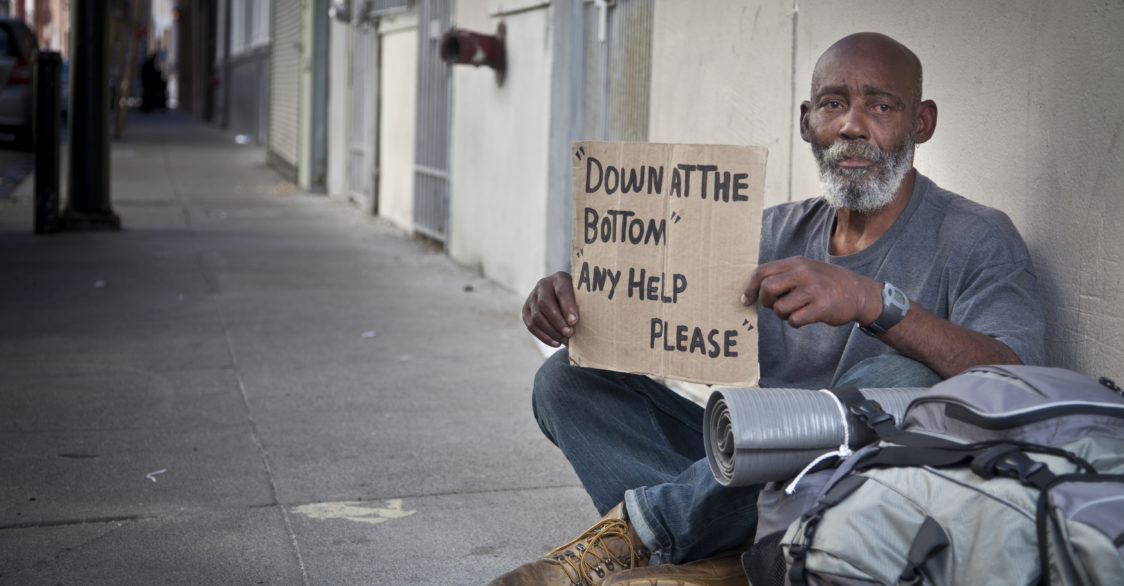
This customer is not really a customer at all. He/she would hopefully benefit from my restaurant plan. He/she is homeless or in great need, and may not have any money to pay. They may be in this situation for any number of reasons. maybe they got wrapped up in alcohol or drugs that affected their life and careers, maybe they have a mental illness that prevents them from taking care of themselves, or maybe they got laid off a while back and have just fallen on hard times since then. They probably do not drive cars. Maybe they ride a bicycle or hitchhike, or maybe they use the bus. They could be any age, but probably all feel old, and probably don't care much for any politician. Maybe they watch whatever is on the tv in the cafe they hang out in. They may have kids that they haven't seen in years.
WHAT DO I HAVE IN COMMON?
I probably have a lot in common with the first customer. This is not a coincidence. Since I was creating my ideal customer, I was projecting a lot of my ideals and goals onto them. Maybe some of my customers would have the same mission, but maybe some just want a bite to eat!
I have some in common with the second one, too. Like him or her, I want my needs met and I want to be understood and loved. This is not a coincidence. We are all people, and all people have those basic needs and desires.
14A HALFWAY REFLECTION
1) In order to keep up with this course, I have really focused on time-management. I try to keep in mind what I have to do for other courses/obligations in my life, and plan accordingly for this one. I work ahead as much as possible.
2) A moment that I have felt like giving up is on assignments where that are many parts that require detailed answers. While these assignments are valuable, they can get a bit tedious/time-consuming. Knowing that I would like to get a good grade has helped me pull through, but another factor has been simply holding myself to a high standard. I would be disappointed in myself if I simply gave up on certain assignments. I have carried on the "sometimes" tenacious attitude that I have developed in the past several years of school. Taking business finance and having to study for hours every day helped me learn that I can do anything (within reason) that I set my mind to. Every class since has been a comparative breeze.
3) Three tips that I would give next semester's students would be 1) Do not get overwhelmed by the volume of assignments. Take each one at a time, and before you know it, you'll be done. 2) Try to derive real value from the assignments. many of them ask questions that, if really considered, truly apply to students' potential careers. They are not pointless thought exercises. 3) Pace yourself. Know the rest of your obligations and work on this class in a way that will allow you to have plenty of time for your other duties.

2) A moment that I have felt like giving up is on assignments where that are many parts that require detailed answers. While these assignments are valuable, they can get a bit tedious/time-consuming. Knowing that I would like to get a good grade has helped me pull through, but another factor has been simply holding myself to a high standard. I would be disappointed in myself if I simply gave up on certain assignments. I have carried on the "sometimes" tenacious attitude that I have developed in the past several years of school. Taking business finance and having to study for hours every day helped me learn that I can do anything (within reason) that I set my mind to. Every class since has been a comparative breeze.
3) Three tips that I would give next semester's students would be 1) Do not get overwhelmed by the volume of assignments. Take each one at a time, and before you know it, you'll be done. 2) Try to derive real value from the assignments. many of them ask questions that, if really considered, truly apply to students' potential careers. They are not pointless thought exercises. 3) Pace yourself. Know the rest of your obligations and work on this class in a way that will allow you to have plenty of time for your other duties.
13A Reading Reflection No. 1
My reflection is on Shoe Dog, which is about Nike founder Phil Knight.
2) What I admired most about the entrepreneur was that he was willing to and advocated for going for broke on an idea when you are young. Many people would probably be conservative when they are young in the hopes of saving enough to start a venture later in life.
3) What did I admire least? Phil Knight seemed to be a very personable, caring, ambitious, and efficient leader who made a point to allow employees to express themselves freely. I can't think of anything I did not admire.
4) His first few steps in making his brand seemed a bit serendipitous, but he had to have the ambition to seize his chances. For a long time, Knight had a tough relationship with his suppliers, who were consistently looking for other US distributors to sell to. Not having trust despite success would be quite frustrating. Eventually, he decided to split and start Nike. This was very bold.
5) The core competencies that Phil Knight exhibited were ambition, courage, good man-management, and general business acumen and insight.
6) One part that was confusing to me is how Phil Knight can be so shy in business meetings and interacting with certain people, yet so bold in his business decisions.
7) If I could ask him two questions, one would be how he simultaneously is shy and maybe a bit awkward, yet so savvy and willing to make bold business choices. I want to ask this because I feel that I am very similar personality-wise. I am insecure yet very confident at the same time. The other question would be what about the Onitsuka was so fascinating to him. I wore Onitsuka's for a while growing up, and I always loved the slim, stream-lined silhouette.
8) What was the author's opinion of hard work? I assume that he went above and beyond. Being an entrepreneur involves working far more than a 9-5 schedule, so I assume he worked as many hours as he needed to. I share that opinion to an extent. While it can do wonders for your career, working around the clock can surely put a strain on your personal life, so each person must weigh what is most important to them.
Tuesday, January 8, 2019
11A IDEA NAPKIN NO. 1
1) My name is Chase Turbeville. I am a very detail oriented, goal-driven person. I have experience working in the food service and beverage industries. My aspirations are to work at and one day hopefully open foundations/organizations to benefit those in need. I would love to own a restaurant that has a program to host free community-wide dinners for anyone interested. I would see this venture impacting my life immensely. The business idea is an extension of my personality and the aspirations I have to help those in need in my personal life. I feel that I would meet a lot of fantastic people through this venture and hopefully, everyone involved would see their lives improve through an increased sense of community and belonging.
2) I am offering a restaurant focused on fresh, local ingredients and community building to customers. My idea is to contribute approximately 10% of all sales toward a fund used to put on free community meals periodically. This would hopefully meet a need that many people may not even be aware that they so desperately need-a sense of belonging and that other people understand them. By coming to the community meals, guests would come into contact with people from their community that they may otherwise never meet, and countless possibilities for positive change could come through these interactions.
3) Who am I offering it to? I am offering it to anyone and everyone. I would hope to attract customers that care not only about fresh, local food but about the health of the community as a whole. Social conscientiousness has become all the rage recently, but I do not hope to attract controversy or the type of people often associated with"social justice". I hope to attract genuinely caring, compassionate people who want to see their community change for the better.
4) Why do they care? People love good food, and my restaurant would provide that. Additionally, I feel that if I could convey my message and business mission to enough people, they would have no reason not to get on board with it. My goal to bring people together through food is apolitical, and hopefully non-controversial. It seems like an idea that can only benefit people.
5) What are the core competencies? The business is not only profit-driven, but community-driven. The mission of this idea is very hands-on and personal. While many companies have admirable charities that they donate to, my company would strive to be the change we want to see by giving back to the community directly with our own hands. Acts of service are a pure, true way of conveying to someone that you care and they are valued. By creating a restaurant that centers around true community service and connection, I feel that people would be very attracted to and supportive of the restaurant.
All in all, I feel that the above components of my plan are cohesive and realistic. I think that the biggest trouble would be significantly turning a profit, especially a significant enough profit to pay everyone involved and still be able to put on the free meals. Hopefully people would understand the mission of the restaurant enough to be willing to pay somewhat of a premium in order to support the goal.
2) I am offering a restaurant focused on fresh, local ingredients and community building to customers. My idea is to contribute approximately 10% of all sales toward a fund used to put on free community meals periodically. This would hopefully meet a need that many people may not even be aware that they so desperately need-a sense of belonging and that other people understand them. By coming to the community meals, guests would come into contact with people from their community that they may otherwise never meet, and countless possibilities for positive change could come through these interactions.
3) Who am I offering it to? I am offering it to anyone and everyone. I would hope to attract customers that care not only about fresh, local food but about the health of the community as a whole. Social conscientiousness has become all the rage recently, but I do not hope to attract controversy or the type of people often associated with"social justice". I hope to attract genuinely caring, compassionate people who want to see their community change for the better.
4) Why do they care? People love good food, and my restaurant would provide that. Additionally, I feel that if I could convey my message and business mission to enough people, they would have no reason not to get on board with it. My goal to bring people together through food is apolitical, and hopefully non-controversial. It seems like an idea that can only benefit people.
5) What are the core competencies? The business is not only profit-driven, but community-driven. The mission of this idea is very hands-on and personal. While many companies have admirable charities that they donate to, my company would strive to be the change we want to see by giving back to the community directly with our own hands. Acts of service are a pure, true way of conveying to someone that you care and they are valued. By creating a restaurant that centers around true community service and connection, I feel that people would be very attracted to and supportive of the restaurant.
All in all, I feel that the above components of my plan are cohesive and realistic. I think that the biggest trouble would be significantly turning a profit, especially a significant enough profit to pay everyone involved and still be able to put on the free meals. Hopefully people would understand the mission of the restaurant enough to be willing to pay somewhat of a premium in order to support the goal.
6A – Identifying Opportunities in Economic & Regulatory Trends
OPPORTUNITY 1: OPENING DISPENSARIES AS LEGALIZATION OF MARIJUANA GEARS UP STATEWIDE AND ONE DY FEDERALLY (REGULATORY)
a)I "found" the opportunity through listening to countless podcasts that touched on the issue, as well as reading numerous articles about both possible and confirmed health/rehabilitation benefits that cannabis can offer. Several states have legalized it recreationally, and some only medically. b) There are a couple reasons that I feel this information presents a great opportunity. People love the effects, both recreationally and medicinally, of marijuana. It is so widespread that I feel confident it's not just a passing trend. Additionally, people are advocating and lobbying for legalization so vehemently that I feel the Federal gov't is beginning to realize they are fighting a losing battle. c) As far as who I think the customers will be, it depends on whether it is legal medicinally or recreationally. If only medicinally, then obviously patients who have qualifying conditions. If recreationally, I feel that people from every imaginable walk of life will partake. d) As long as there are such big barriers to entry, then I feel that the opportunity is pretty difficult to exploit without an absurd amount of capital. All things considered, it's pretty easy to open up a small coffee shop, but there are currently to many rules and regulations to "easily" open up a small, independent dispensary. I feel that it is a matter of time until it becomes more accessible.
Why did I see the opportunity? I am in generally good health, but I have had issues over the years that research indicated could be alleviated my marijuana, so I began doing a lot of independent research to try and learn about the ways cannabis could potentially benefit me. I guess what I'm saying is that I developed a real, vested interest because I felt that I could benefit.
OPPORTUNITY 2: RESIST PUSH TO RAISE THE MINIMUM WAGE (REGULATORY)
a) I "found" the issue by hearing people talk about it for the last several years. b) Hearing about the issue makes me believe an opportunity exists because, in my (very) limited knowledge, I believe that resisting can help avoid major economic damage. c) I guess I'm going off script a little bit, but the "customer" who will miss out on the opportunity is most minimum wage workers. d) The opportunity to resist a raise in the minimum wage is difficult to exploit because on the face of it, raising the minimum wage sounds like a benevolent thing that will benefit everyone. Not necessarily so!
Why did I see the opportunity? I am about to enter the workforce, and I foresee making a pretty low income for a while as I find my bearings/what direction I really want to go. This got me thinking about issues such as minimum mandatory wage for workers.
OPPORTUNITY 3: Re-Branding "DUMB" TECHNOLOGY AS RETRO (ECONOMIC)
a) This one may be a bit of a stretch, but I "found" it through my own frustration at "smart" technology being integrated into nearly everything possible, no matter how ridiculous. b) People are so enthralled with the latest technology that I feel it distracts from what is important, and this constant inundation with new products and information will eventually lead to sensory overload with people, and because of this, I feel that an opportunity exists to re-brand older technologies and/or practices in order to help people center themselves again. c) I think that the customer most likely to see the opportunity is anyone who is tired of scrolling through their Twitter feed aimlessly and feeling empty and lonely inside. or maybe someone who wakes up one day and realizes that they don't actually need smart socks that send a notification when their feet pass a certain level of perspiration. At some point, I feel that everyone will long for a more simplified daily existence. d) In the short term, I think that this opportunity will be hard to exploit. However, given enough time, I think people will wake up to how ridiculous things are becoming.
Why did I see the opportunity? I've felt the emptiness and dissatisfaction that comes from trying to cram as much technology and media down my face as I can. I think they have their uses, but in many ways they have become more of a detriment than an aid, and I feel that people should get back to basics in some regards.
OPPORTUNITY 4: RUBBER OR METAL STRAWS
a) Everyone has heard about the environmental hazards that straws cause. It has become a widely-discussed issue in the last year or so. I have already seen some straws being sold in a coffee shop. b) Knowing how conscientious many people are over this issue, I feel confident that there is potential for the (currently) small re-usable straw market to grow. c) I think the most likely customers are millennials. Many Millenials are very concerned with "social justice" and environmental protection. Some of this concern seems to be genuine, but some of it seems like virtue signaling/ego-stroking. BUT, business is business. d) I think this opportunity would be easy to exploit. Some companies have already started. Rubber or metal straws are cheap to make, easy to ship, and cheap and maybe "trendy" to buy.
Why did I see the opportunity? I am interested in the coffee business, but I can also be cynical. Many coffee shop frequenters are Millenials. I feel that this demographic can be easily talked into buying straws to "save the environemnt". Maybe it'll help, but at least it will help people's consciences and some money will be made in the meantime :)
a)I "found" the opportunity through listening to countless podcasts that touched on the issue, as well as reading numerous articles about both possible and confirmed health/rehabilitation benefits that cannabis can offer. Several states have legalized it recreationally, and some only medically. b) There are a couple reasons that I feel this information presents a great opportunity. People love the effects, both recreationally and medicinally, of marijuana. It is so widespread that I feel confident it's not just a passing trend. Additionally, people are advocating and lobbying for legalization so vehemently that I feel the Federal gov't is beginning to realize they are fighting a losing battle. c) As far as who I think the customers will be, it depends on whether it is legal medicinally or recreationally. If only medicinally, then obviously patients who have qualifying conditions. If recreationally, I feel that people from every imaginable walk of life will partake. d) As long as there are such big barriers to entry, then I feel that the opportunity is pretty difficult to exploit without an absurd amount of capital. All things considered, it's pretty easy to open up a small coffee shop, but there are currently to many rules and regulations to "easily" open up a small, independent dispensary. I feel that it is a matter of time until it becomes more accessible.
Why did I see the opportunity? I am in generally good health, but I have had issues over the years that research indicated could be alleviated my marijuana, so I began doing a lot of independent research to try and learn about the ways cannabis could potentially benefit me. I guess what I'm saying is that I developed a real, vested interest because I felt that I could benefit.
OPPORTUNITY 2: RESIST PUSH TO RAISE THE MINIMUM WAGE (REGULATORY)
a) I "found" the issue by hearing people talk about it for the last several years. b) Hearing about the issue makes me believe an opportunity exists because, in my (very) limited knowledge, I believe that resisting can help avoid major economic damage. c) I guess I'm going off script a little bit, but the "customer" who will miss out on the opportunity is most minimum wage workers. d) The opportunity to resist a raise in the minimum wage is difficult to exploit because on the face of it, raising the minimum wage sounds like a benevolent thing that will benefit everyone. Not necessarily so!
Why did I see the opportunity? I am about to enter the workforce, and I foresee making a pretty low income for a while as I find my bearings/what direction I really want to go. This got me thinking about issues such as minimum mandatory wage for workers.
OPPORTUNITY 3: Re-Branding "DUMB" TECHNOLOGY AS RETRO (ECONOMIC)
a) This one may be a bit of a stretch, but I "found" it through my own frustration at "smart" technology being integrated into nearly everything possible, no matter how ridiculous. b) People are so enthralled with the latest technology that I feel it distracts from what is important, and this constant inundation with new products and information will eventually lead to sensory overload with people, and because of this, I feel that an opportunity exists to re-brand older technologies and/or practices in order to help people center themselves again. c) I think that the customer most likely to see the opportunity is anyone who is tired of scrolling through their Twitter feed aimlessly and feeling empty and lonely inside. or maybe someone who wakes up one day and realizes that they don't actually need smart socks that send a notification when their feet pass a certain level of perspiration. At some point, I feel that everyone will long for a more simplified daily existence. d) In the short term, I think that this opportunity will be hard to exploit. However, given enough time, I think people will wake up to how ridiculous things are becoming.
Why did I see the opportunity? I've felt the emptiness and dissatisfaction that comes from trying to cram as much technology and media down my face as I can. I think they have their uses, but in many ways they have become more of a detriment than an aid, and I feel that people should get back to basics in some regards.
OPPORTUNITY 4: RUBBER OR METAL STRAWS
a) Everyone has heard about the environmental hazards that straws cause. It has become a widely-discussed issue in the last year or so. I have already seen some straws being sold in a coffee shop. b) Knowing how conscientious many people are over this issue, I feel confident that there is potential for the (currently) small re-usable straw market to grow. c) I think the most likely customers are millennials. Many Millenials are very concerned with "social justice" and environmental protection. Some of this concern seems to be genuine, but some of it seems like virtue signaling/ego-stroking. BUT, business is business. d) I think this opportunity would be easy to exploit. Some companies have already started. Rubber or metal straws are cheap to make, easy to ship, and cheap and maybe "trendy" to buy.
Why did I see the opportunity? I am interested in the coffee business, but I can also be cynical. Many coffee shop frequenters are Millenials. I feel that this demographic can be easily talked into buying straws to "save the environemnt". Maybe it'll help, but at least it will help people's consciences and some money will be made in the meantime :)
5A IDENTIFYING LOCAL OPPORTUNITIES
1) Toojay's Deli closes its Lakeland location after four years.
2)https://www.theledger.com/news/20190107/toojays-deli-closes-its-lakeland-location-after-4-years
3) The West-palm based company now has 27 locations across Florida, but the Lakeland branch closed.
4) The problem is presumably that it was not doing enough business.
5) The owners had the problem, but so did the employees, who were offered jobs at other locations. This is a good gesture but commute could be a struggle. Loyal Lakeland customers now have a problem too.
1) City Grant to boost production at Swan Brewing.
2)https://www.theledger.com/news/20190103/city-grant-to-boost-production-at-swan-brewing
3) Swan City Brewing in Lakeland got so popular so fast that demand exceeded their production capacity so they have received a special grant from the city to get new equipment.
4) The problem is that they didn't have the production capacity to keep up with demand.
5) The owners, customers, and others in the community who potentially wanted beer at their businesses had the problem. It's a good problem to have fro Swan City, and it seems that the problem is being rectified.
1) Winter Haven restaurateur to cook up special feast using local ingredients
2)https://www.theledger.com/news/20190102/winter-haven-restaurateur-to-cook-up-special-feast-using-local-ingredients
3) The owner of a Winter Haven Argentinian restaurant is preparing a community meal using local ingredients and classic Argentine methods.
4) The problem is that in modern society, people don't gather for meals frequently enough, especially meals prepared using real, local ingredients.
5) It's limited to 150 people, so anyone past that number that wants a ticket has the problem. Disconnected members of modern society that miss out on quality time over meals have the problem, too.
1) Lakeland invites public to bloc party with free dinner
2) https://www.theledger.com/news/20190102/lakeland-invites-public-to-block-party-with-free-dinner
3) The lakleand Chamber of Commerce is doing a Longest Table event which is a free, community bloc party and meal. The idea is to build and strengthen bonds in the community.
4) The problem is that it is hard to organize an event to feed 1,000 people for free. Companies will have to provide their services pro bono.
5) Restaurant management as well as city employees organizing the event will have the problems.
1) Starbucks moving to Southgate Shopping Center
2)https://www.theledger.com/news/20190107/starbucks-moving-to-southgate-shopping-center
3) A Starbucks in Lakeland, Florida is moving to a new location. It will be completed by April and will open soon after.
4) The problem is that it is moving closer to several local coffee shops.
5) The owners of the local shops have the problem. It's the classic "big Business" choking out mom and pop stores issue.
2)https://www.theledger.com/news/20190107/toojays-deli-closes-its-lakeland-location-after-4-years
3) The West-palm based company now has 27 locations across Florida, but the Lakeland branch closed.
4) The problem is presumably that it was not doing enough business.
5) The owners had the problem, but so did the employees, who were offered jobs at other locations. This is a good gesture but commute could be a struggle. Loyal Lakeland customers now have a problem too.
1) City Grant to boost production at Swan Brewing.
2)https://www.theledger.com/news/20190103/city-grant-to-boost-production-at-swan-brewing
3) Swan City Brewing in Lakeland got so popular so fast that demand exceeded their production capacity so they have received a special grant from the city to get new equipment.
4) The problem is that they didn't have the production capacity to keep up with demand.
5) The owners, customers, and others in the community who potentially wanted beer at their businesses had the problem. It's a good problem to have fro Swan City, and it seems that the problem is being rectified.
1) Winter Haven restaurateur to cook up special feast using local ingredients
2)https://www.theledger.com/news/20190102/winter-haven-restaurateur-to-cook-up-special-feast-using-local-ingredients
3) The owner of a Winter Haven Argentinian restaurant is preparing a community meal using local ingredients and classic Argentine methods.
4) The problem is that in modern society, people don't gather for meals frequently enough, especially meals prepared using real, local ingredients.
5) It's limited to 150 people, so anyone past that number that wants a ticket has the problem. Disconnected members of modern society that miss out on quality time over meals have the problem, too.
1) Lakeland invites public to bloc party with free dinner
2) https://www.theledger.com/news/20190102/lakeland-invites-public-to-block-party-with-free-dinner
3) The lakleand Chamber of Commerce is doing a Longest Table event which is a free, community bloc party and meal. The idea is to build and strengthen bonds in the community.
4) The problem is that it is hard to organize an event to feed 1,000 people for free. Companies will have to provide their services pro bono.
5) Restaurant management as well as city employees organizing the event will have the problems.
1) Starbucks moving to Southgate Shopping Center
2)https://www.theledger.com/news/20190107/starbucks-moving-to-southgate-shopping-center
3) A Starbucks in Lakeland, Florida is moving to a new location. It will be completed by April and will open soon after.
4) The problem is that it is moving closer to several local coffee shops.
5) The owners of the local shops have the problem. It's the classic "big Business" choking out mom and pop stores issue.
4A FORMING AN OPPORTUNITY BELIEF
1) Supportive organizations for the homeless and needy.
2) There is a huge unmet, or at least not fully met need/opportunity to care for the homeless and put more organizations in place to facilitate their recovery. All homeless people have this need. The need came from the fact that there are indeed homeless people in the world, whether that be through job loss, drug use, and investments, mental illnesses, etc. There have always been homeless people and there always will, but hopefully, things can continue to be done to minimize the number. There are already many organizations that exist to combat this issue, but as far as daily efforts from the general public, it is lacking. I am 100% sure that this need exists.
3a) This is a topic I feel strongly about, so I decided to write on it even though I can't really go interview homeless people about the issue. I guess I could, but I won't. I do, however, know many of them in Gainesville decently well, so I have some insight into their situations that I can share. The first person is Christian Lannert.
4a) Christian has lived in Gainesville for about 13 years, and I believe has been homeless for the vast majority of that time. he used to have a job helping disabled people but injured his back pretty severely on the job. This left him unable to work for a long time, but thankfully he got some disability checks, which is better than nothing. He became aware of his need when he no longer had a job, sufficient money, or a home. He is aware of several organizations/programs in Gainesville that assist the homeless with food/shelter. He recently got access to an apartment at a steeply discounted rate for those who qualify, which is great.
5a) Through knowing Christgian, I have realized that not all homeless people are "bad" or "bums". There are many genuinely good people who fall victim to difficult circumstances.
3b) the second homeless person I know is Robert. I don't know his last name.
4b) Although you never want to see someone suffer, I am a little bit less sympathetic toward Robert. He is a nice enough guy, but he is always looking for a handout and does not really seem to be trying to improve his situation, unlike Christian. I do not know nearly as much about Robert's circumstances, but I do know that he blames the government for his situation. Robert would never turn down help if it meant he didn't have to do anything.
5b) Through knowing Robert, I have also understood why some people think that the homeless just want handouts. The truth is that both types exist.
3c) There is another homeless person in Gainesville who goes by the name Granny.
4c) She is quite old, probably in her 60's or 70's. I am not sure about how true her claims are, but she claims to have spinal cancer and to have been abused in the past. She is very personable and friendly, and always appreciative of any help a person can spare her. I'm confident that she would be thankful for more widespread programs, especially as she is too old and frail to realistically support herself through work.
5) Through knowing Granny, I have become aware/been reminded that there are people in need of all types, and it's especially sad when it is a sick, elderly woman.
7) My opportunity belief did not really change. I have thought about this issue for a long time, and I knew a long time ago that there would be people who appreciate andtake the help to better themselves, and people who just take advantage of the system. It is a risk worth taking, to an extent. Jobs like these are thankless, so if someone is getting it to one for that reason, they will not be happy. Of course I think there is a balance between adapting to customers' preferfne and staying firm, but if you give in too much, you may end up compromising/totally changing the mission of your endeavor.
2) There is a huge unmet, or at least not fully met need/opportunity to care for the homeless and put more organizations in place to facilitate their recovery. All homeless people have this need. The need came from the fact that there are indeed homeless people in the world, whether that be through job loss, drug use, and investments, mental illnesses, etc. There have always been homeless people and there always will, but hopefully, things can continue to be done to minimize the number. There are already many organizations that exist to combat this issue, but as far as daily efforts from the general public, it is lacking. I am 100% sure that this need exists.
3a) This is a topic I feel strongly about, so I decided to write on it even though I can't really go interview homeless people about the issue. I guess I could, but I won't. I do, however, know many of them in Gainesville decently well, so I have some insight into their situations that I can share. The first person is Christian Lannert.
4a) Christian has lived in Gainesville for about 13 years, and I believe has been homeless for the vast majority of that time. he used to have a job helping disabled people but injured his back pretty severely on the job. This left him unable to work for a long time, but thankfully he got some disability checks, which is better than nothing. He became aware of his need when he no longer had a job, sufficient money, or a home. He is aware of several organizations/programs in Gainesville that assist the homeless with food/shelter. He recently got access to an apartment at a steeply discounted rate for those who qualify, which is great.
5a) Through knowing Christgian, I have realized that not all homeless people are "bad" or "bums". There are many genuinely good people who fall victim to difficult circumstances.
3b) the second homeless person I know is Robert. I don't know his last name.
4b) Although you never want to see someone suffer, I am a little bit less sympathetic toward Robert. He is a nice enough guy, but he is always looking for a handout and does not really seem to be trying to improve his situation, unlike Christian. I do not know nearly as much about Robert's circumstances, but I do know that he blames the government for his situation. Robert would never turn down help if it meant he didn't have to do anything.
5b) Through knowing Robert, I have also understood why some people think that the homeless just want handouts. The truth is that both types exist.
3c) There is another homeless person in Gainesville who goes by the name Granny.
4c) She is quite old, probably in her 60's or 70's. I am not sure about how true her claims are, but she claims to have spinal cancer and to have been abused in the past. She is very personable and friendly, and always appreciative of any help a person can spare her. I'm confident that she would be thankful for more widespread programs, especially as she is too old and frail to realistically support herself through work.
5) Through knowing Granny, I have become aware/been reminded that there are people in need of all types, and it's especially sad when it is a sick, elderly woman.
7) My opportunity belief did not really change. I have thought about this issue for a long time, and I knew a long time ago that there would be people who appreciate andtake the help to better themselves, and people who just take advantage of the system. It is a risk worth taking, to an extent. Jobs like these are thankless, so if someone is getting it to one for that reason, they will not be happy. Of course I think there is a balance between adapting to customers' preferfne and staying firm, but if you give in too much, you may end up compromising/totally changing the mission of your endeavor.
Monday, January 7, 2019
3A Entrepeneurship Story
My dad has been involved in several businesses and/or ventures selling products and services over the years, and he was always very encouraging to me and would often suggest ways to try selling things. I tried to buy and flip Yu Gi Oh cards when I was in middle school. I didn't turn a profit, but I tried. I used to sell things on eBay pretty frequently.
I enrolled in ENT3003 because I need one more business elective to graduate. This class seems easy, but also interesting. I think there is some valuable insight to be gained from self-reflection centered assignments. This seems like a class that focuses on empowerment of the students and helping them realize where they need to develop in order to get where they want to go. Many of the business classes seem unnecessary, as I feel that most of the requisite knowledge for a job will simply be learned on the job. However, it seems that this class will be broadly useful.

I enrolled in ENT3003 because I need one more business elective to graduate. This class seems easy, but also interesting. I think there is some valuable insight to be gained from self-reflection centered assignments. This seems like a class that focuses on empowerment of the students and helping them realize where they need to develop in order to get where they want to go. Many of the business classes seem unnecessary, as I feel that most of the requisite knowledge for a job will simply be learned on the job. However, it seems that this class will be broadly useful.
2A BUG LIST
1) It bugs me when stores like Books-A-Million try to up-sell me o products and/or memberships
WHY? Business are profit-oriented, so their employees need to promote profits. Sometimes employees make commission.
2) Disingenuous greetings at the register bother me.
WHY? Small talk is part of human interaction, and when an employee has to say the same thing 100 times a day, it can become automatic.
3) Companies charging small fees for things like a cup or ice instead of giving complementary.
WHY? Even small fees and expenses can add up, so companies often keep a very close eye on the inventory that they have. Giving it away causes a loss, and each one in isolation does not seem like a big deal. The cumulative effect is big.
4) Sloppily assembled meals at restaurants.
WHY? Many employees do not feel much loyalty to or passion for their work, so it is easy to revert to the minimum requirements for quality.
5) Long lines for services/products bug me.
WHY? Sometimes customers complicate things unnecessarily which slows progress. Sometimes something goes wrong on the employees' end. People are people and cannot always be maximally efficient.
6) Employees being stingy with condiments at Chick Fil A, as if I were asking for some sauce from their personal stash.
WHY? Management probably tells employees to not give too many away.
7) No return policies from big companies bug me
WHY? Companies are often worried that people will try to abuse return policies, which is understandable but can still be frustrating.
8) Signing long waivers for safety/insurance.
WHY? Companies need to protect themselves in case of accidents.
9) Over-the-top marketing.
WHY? Companies need to find ways to differentiate themselves and draw in business.
10) Obnoxious graphic designs from clothing companies looking to stand out.
WHY? Being “unique” is all the rage right now, so the quickest way to achieve that is to buy crazy clothes, and companies know that so they make ugly stuff.
11) Gift cards expiring!
WHY? I can’t seem to wrap my head around this one.
12) Burger King got rid of chicken fries for a long time, and the rest of their products are kind of bad.
WHY? This one baffled me. Maybe they wanted to outrage customers so that when they inevitably bring the chicken fries back there would be more excitement.
13) Car rental companies either nit renting to people under 25 or charging much higher for a car.
WHY? I suppose some actuaries somewhere calculated that people under the age of 25 are statistically more likely to screw up.
14) Companies sending spam emails.
WHY? This is similar to over-the-top marketing, but companies have to find a way to market their products, so while obnoxious, it is understandable in a way.
15) People taking forever to confirm discussed plans.
WHY? A lot of people don’t realize or care that the other party has things to do as well, so they don’t consider that their slow responses can hinder what needs to get done for the other person.
16) People beating around the bush and not being honest/straight-forward about issues.
WHY? Some people say they do it to avoid conflict/hurting someone’s feelings. Maybe, but I think that sometimes it is so that person can avoid the discomfort of hurting the other person.
17) Little white lies
WHY? Sometimes it’s way more convenient to lie. People like convenience.
18) People flaking on obligations when something “better” comes along.
WHY? A lot of people think about how their actions benefit THEM only, and not about how their actions influence others. Maybe they aren’t concerned with the principle of being dependable.
19) Why are there so many brands for every imaginable product? Paralysis by analysis.
WHY? It’s more or less a free market so if an entrepreneur sees an opportunity to make a product and make a profit, why wouldn’t they?
20) People responding out of anger in discussions and always blaming the other person.
WHY? Shifting blame and yelling is easier than honest self-analysis and measured speech. I fall victim to it for sure.
Reflection: I found the exercise difficult initially, because I thought the list had to be entirely about businesses, but once I realized that it can be interpersonal as well, it became much easier. Maybe this means I’m hard to please or have unrealistic expectations. I can be a bit cynical, but I also try to better myself daily and treat others the way I would like to be treated.
Subscribe to:
Posts (Atom)